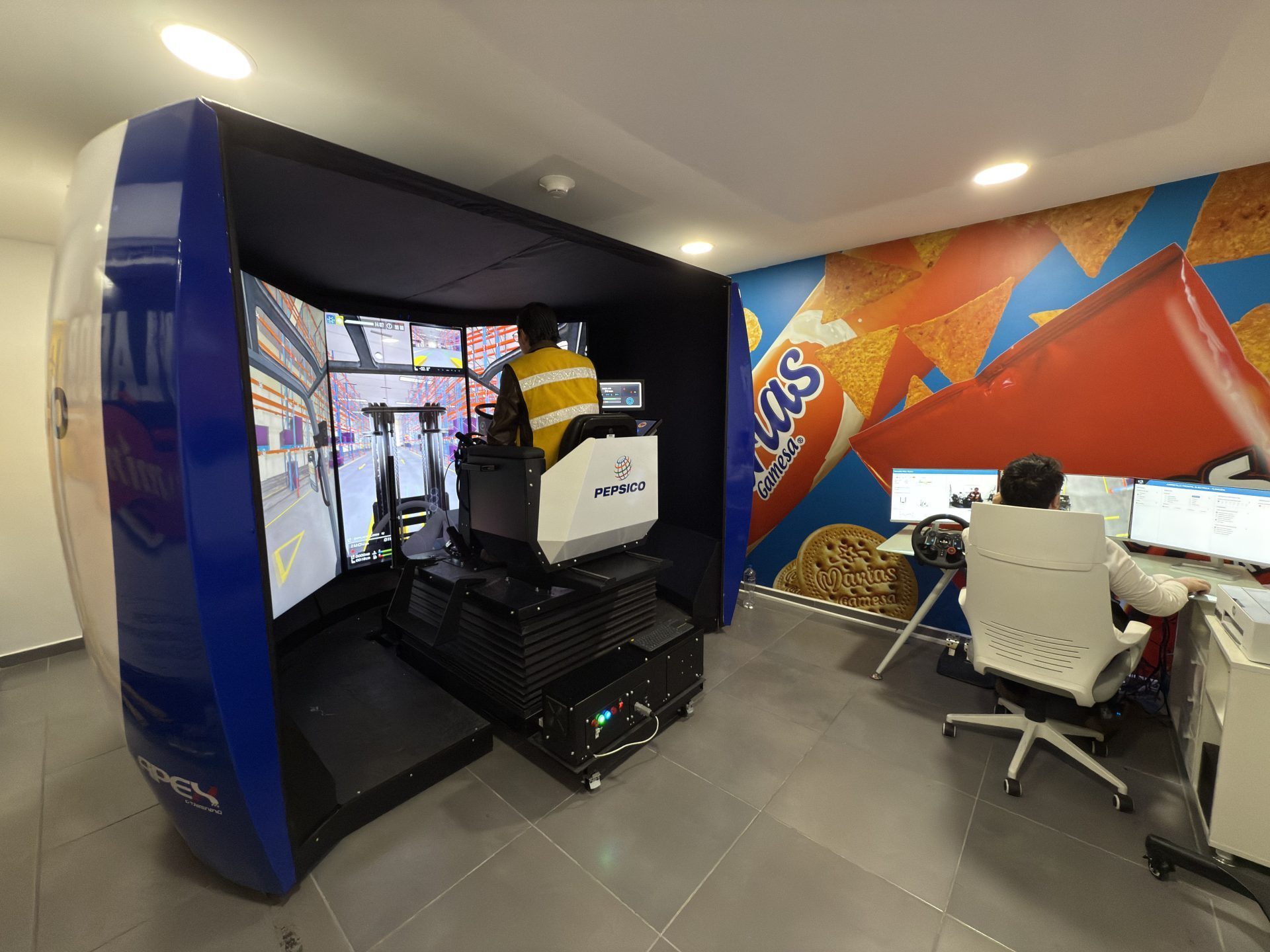
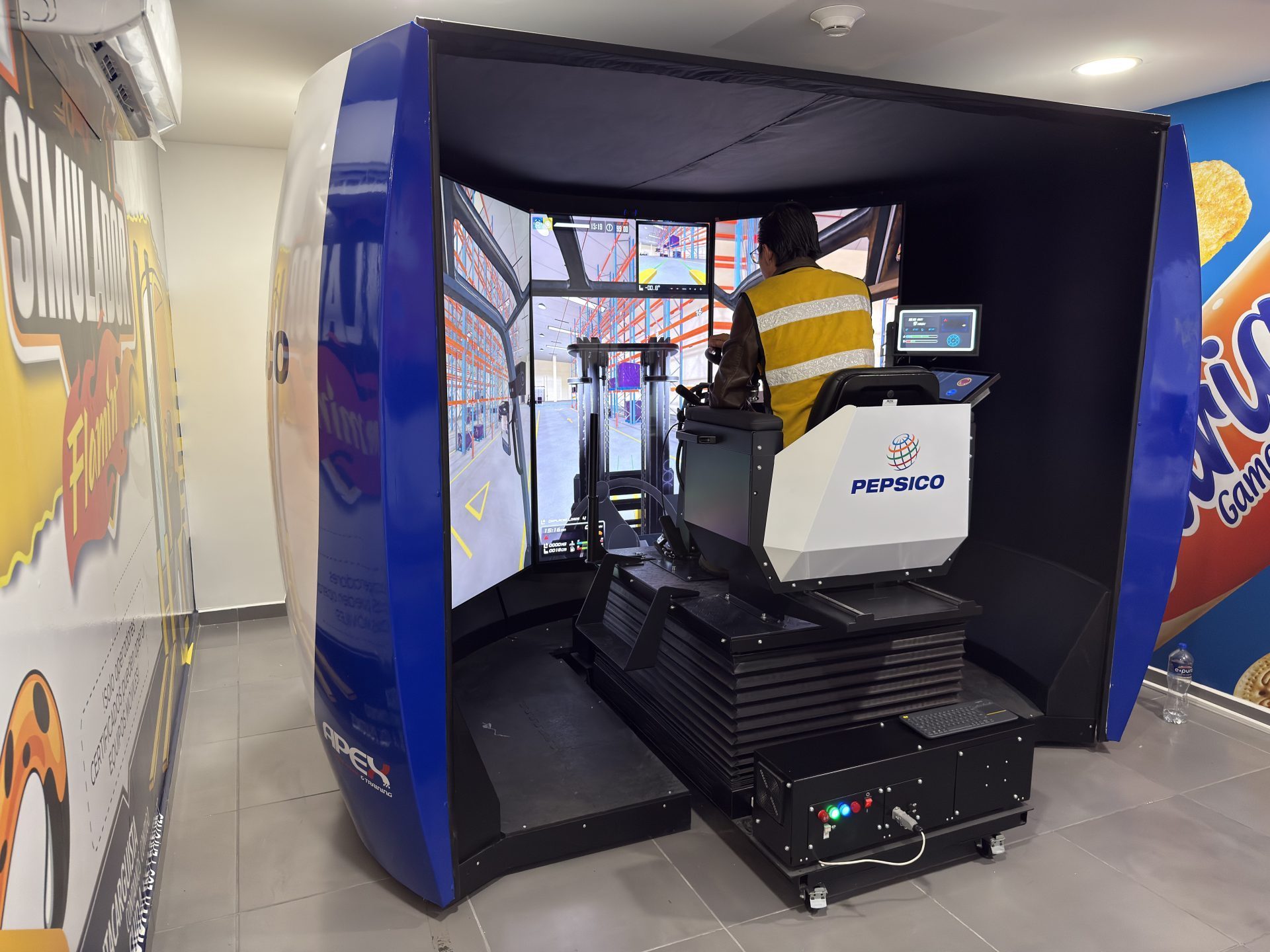
PepsiCo Alimentos deployed three APEX forklift simulators across its Guadalajara, Monterrey, and Mexico City logistics centers to make warehouse training safer, measurable, and standardized nationwide.
PepsiCo Alimentos' forklift simulators drive safety and efficiency across its logistics centers
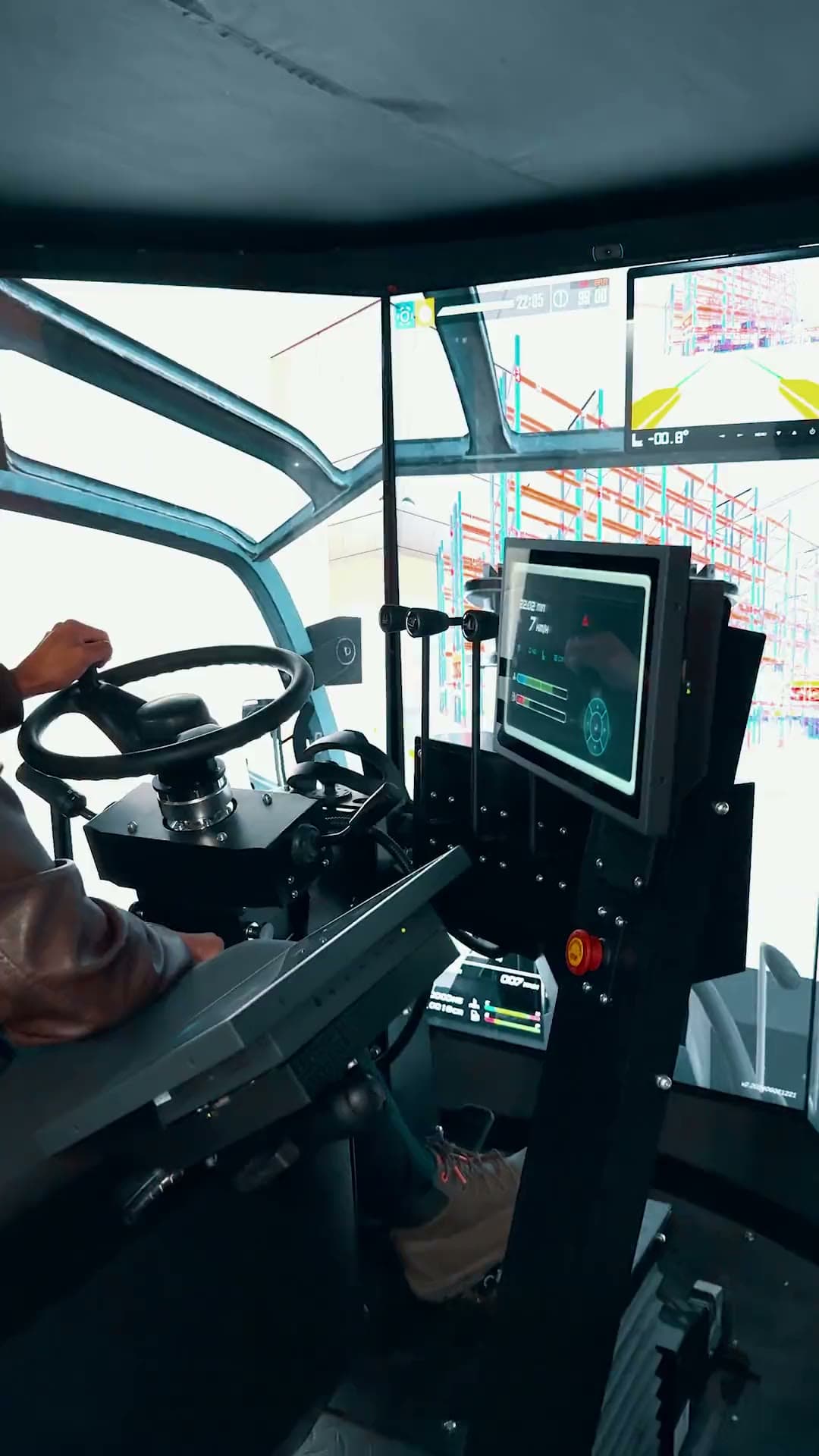
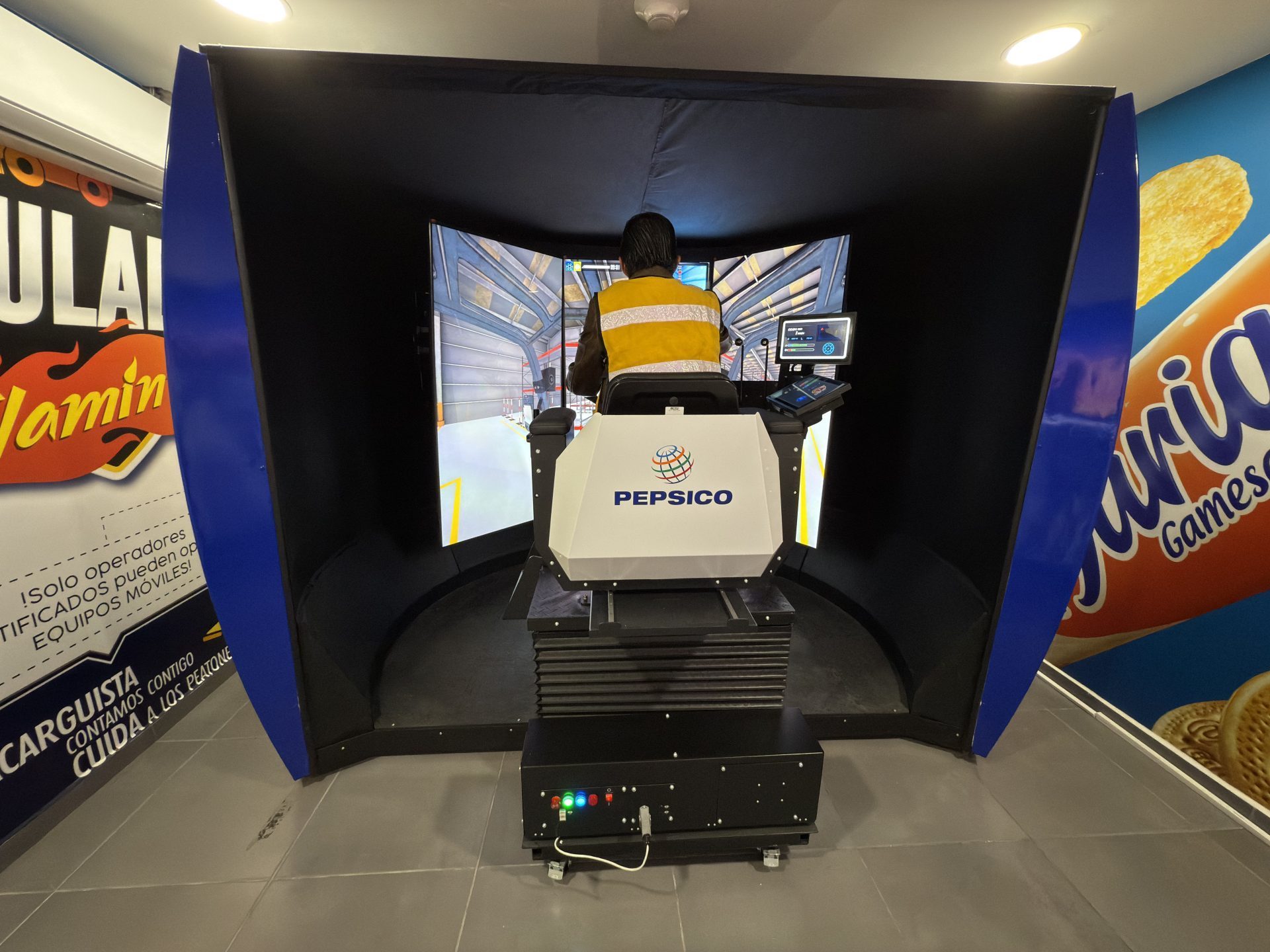
The PepsiCo Alimentos forklift simulator program has become a strategic tool for strengthening operator training within the company's logistics processes. As part of the initiative, the company acquired three forklift simulators deployed at its Guadalajara, Monterrey, and Mexico City centers, expanding its specialized training capacity.
Through advanced simulation technology, PepsiCo Alimentos is driving a training model that is safer, more measurable, and aligned with today's material handling industry standards.
PepsiCo Alimentos' forklift simulator raises operational safety
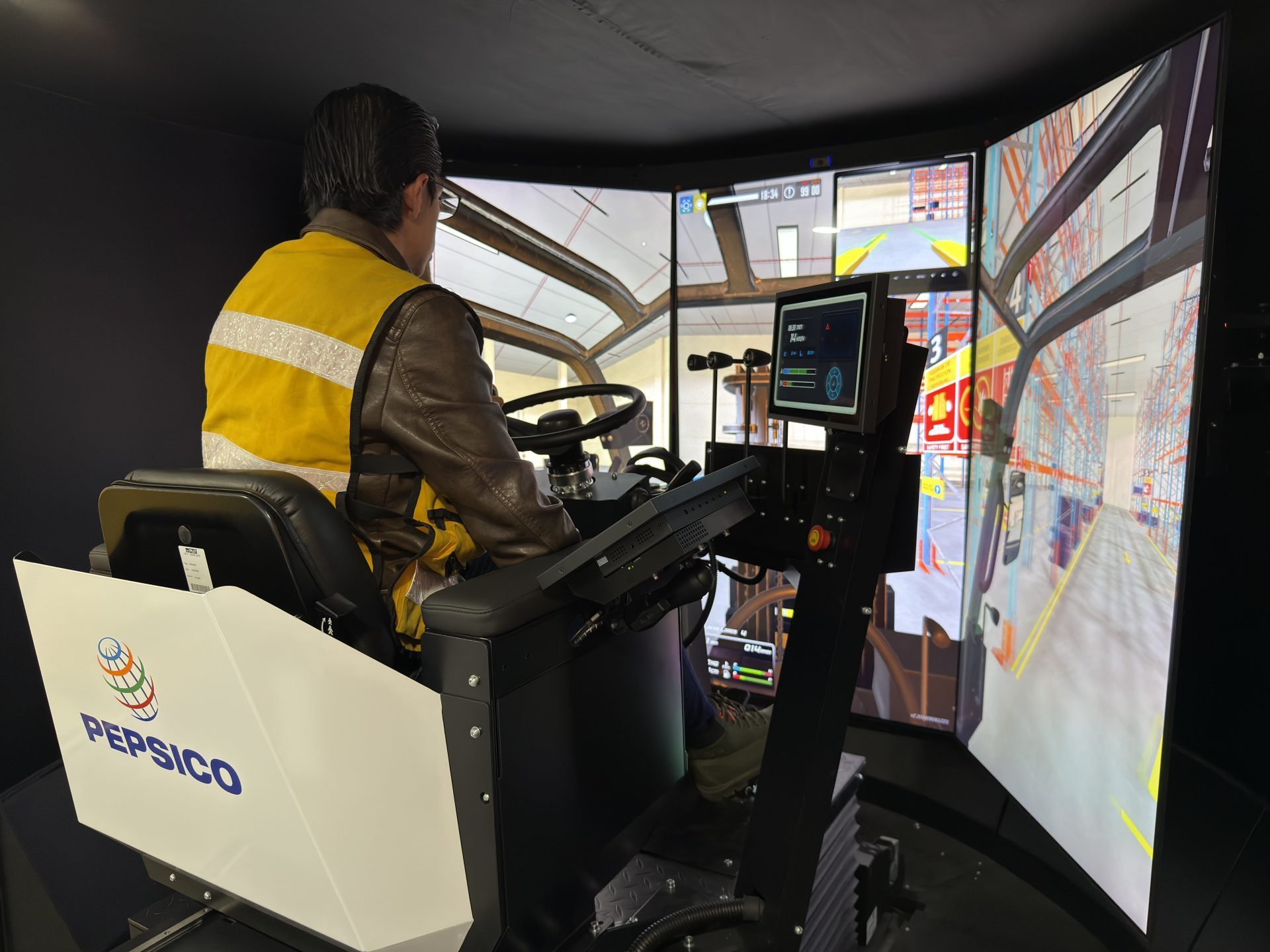
The PepsiCo Alimentos forklift simulator recreates realistic warehouse environments where operators can develop critical skills without exposure to real risks and without disrupting operational productivity.
The system's core capabilities include:
- Load and unload maneuver practice
- Operation in confined aisles
- Simulation of real warehouse conditions
- Evaluation through advanced telemetry
- Safety protocol training
This approach surfaces improvement areas early and accelerates each operator's learning curve.
Impact of the simulators in Guadalajara, Monterrey, and Mexico City
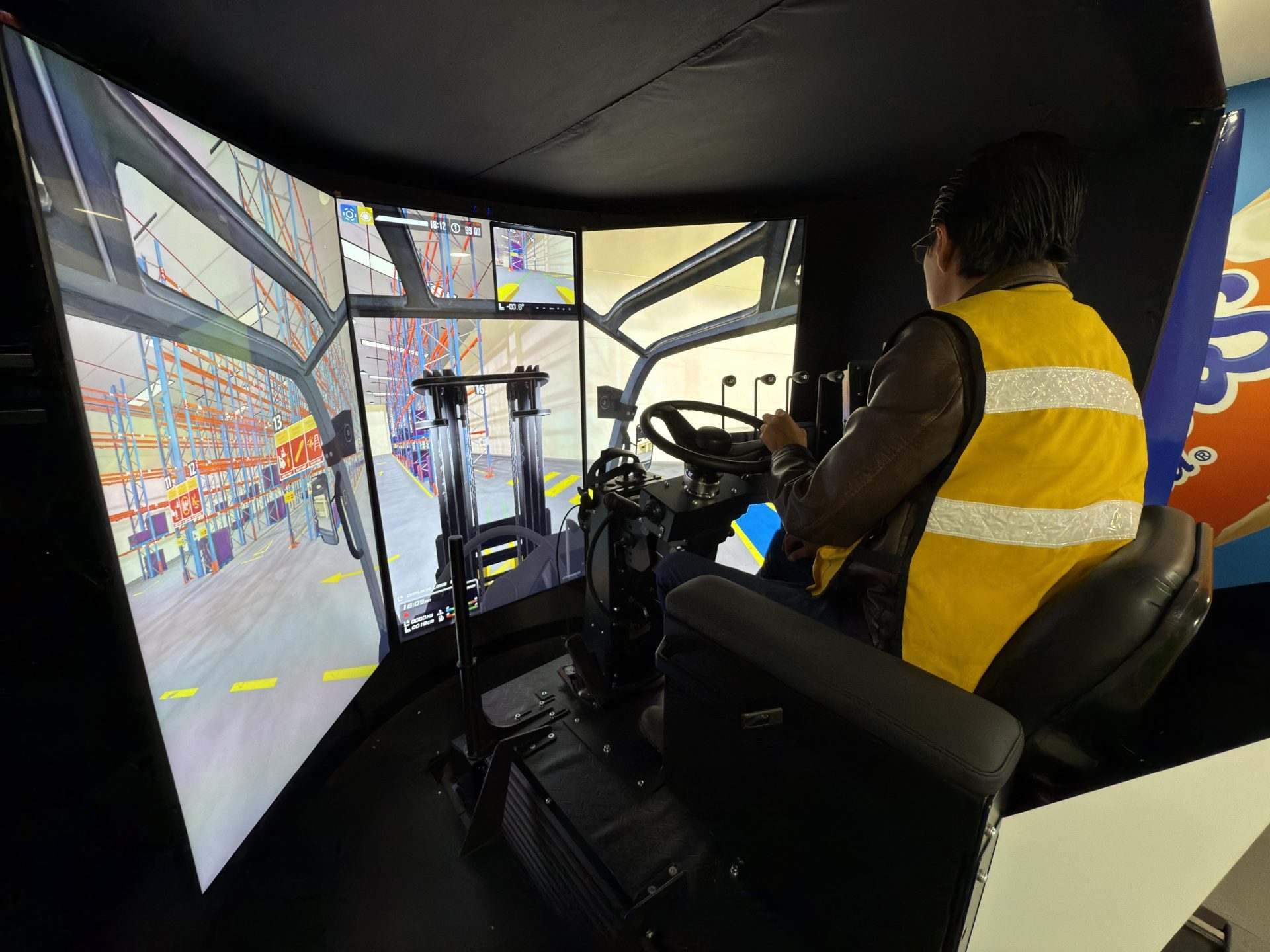
Deploying the three PepsiCo Alimentos forklift simulators in Guadalajara, Monterrey, and Mexico City lets the company standardize its training processes nationwide, bringing high-level instruction to strategic points across its operation.
With this coverage, PepsiCo Alimentos achieves:
✅ Lower risk during training ✅ Standardized operational best practices ✅ Shorter training cycles ✅ Fewer operational incidents ✅ A stronger industrial safety culture
Simulation thus becomes a key enabler of logistics efficiency and workforce protection.
Forklift simulation has become a key tool for companies looking to raise their safety and operational efficiency standards. Training in virtual environments develops critical skills, reduces risk, and significantly improves operator readiness before they ever reach the live operation.
 Jose Miguel MontoyaChief Commercial Officer, APEX Simulation & Technology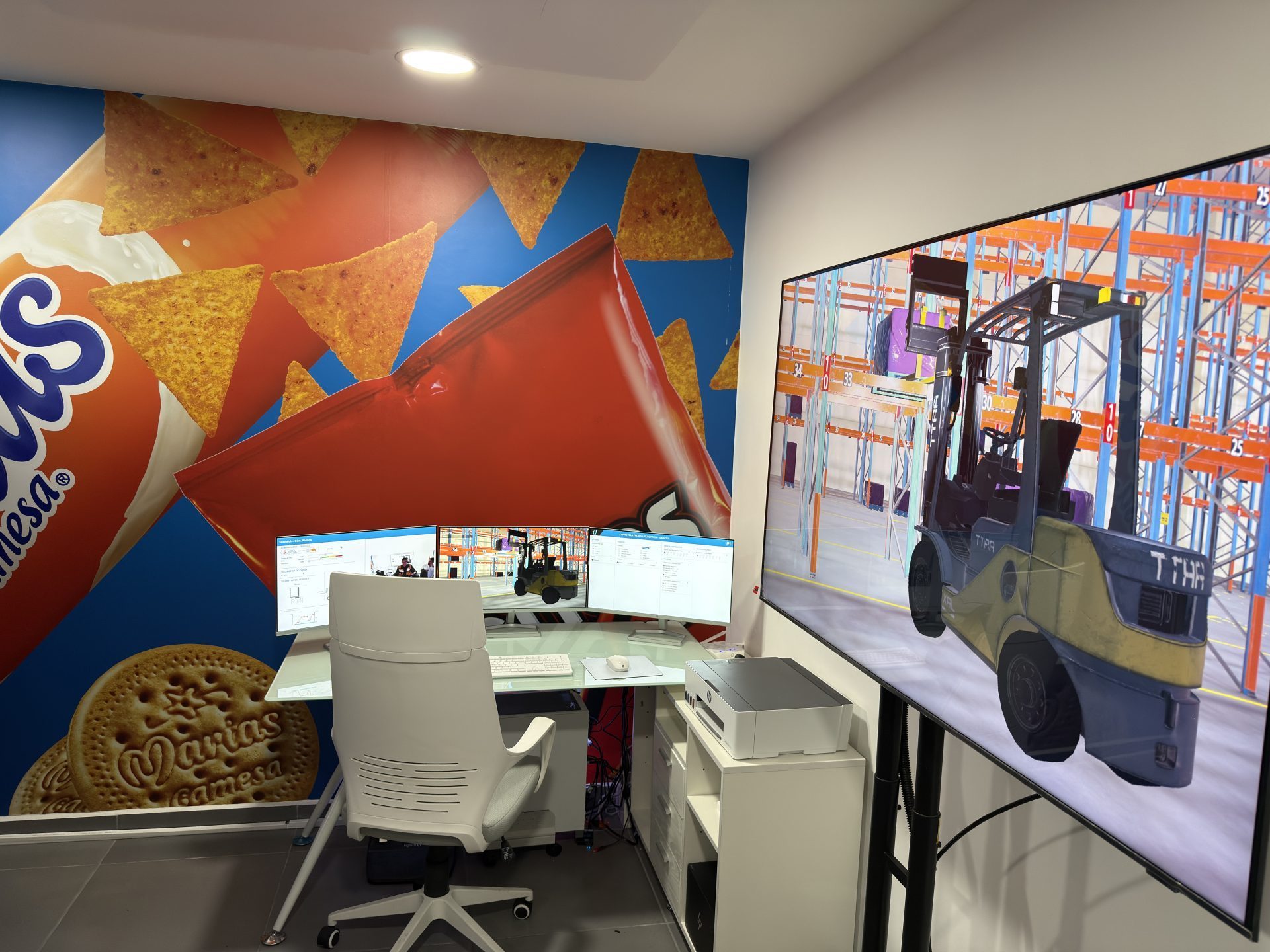
Innovation applied to operational talent
With the PepsiCo Alimentos forklift simulator now running at its main logistics centers, the company reaffirms its commitment to innovation and to the continuous development of its people.
Initiatives like this reflect the evolution of industrial training toward models that are more technological, more measurable, and prevention-driven — consolidating simulation as an essential component in the transformation of operational training in Mexico. 🇲🇽
Benefits for the operation
The simulator delivers positive impact at several levels:
✅ Lower risk during training ✅ Standardized forklift operation ✅ Shorter training cycles ✅ Fewer operational incidents ✅ A stronger safety culture
These advantages position simulation as a strategic enabler for modern logistics and material handling operations.
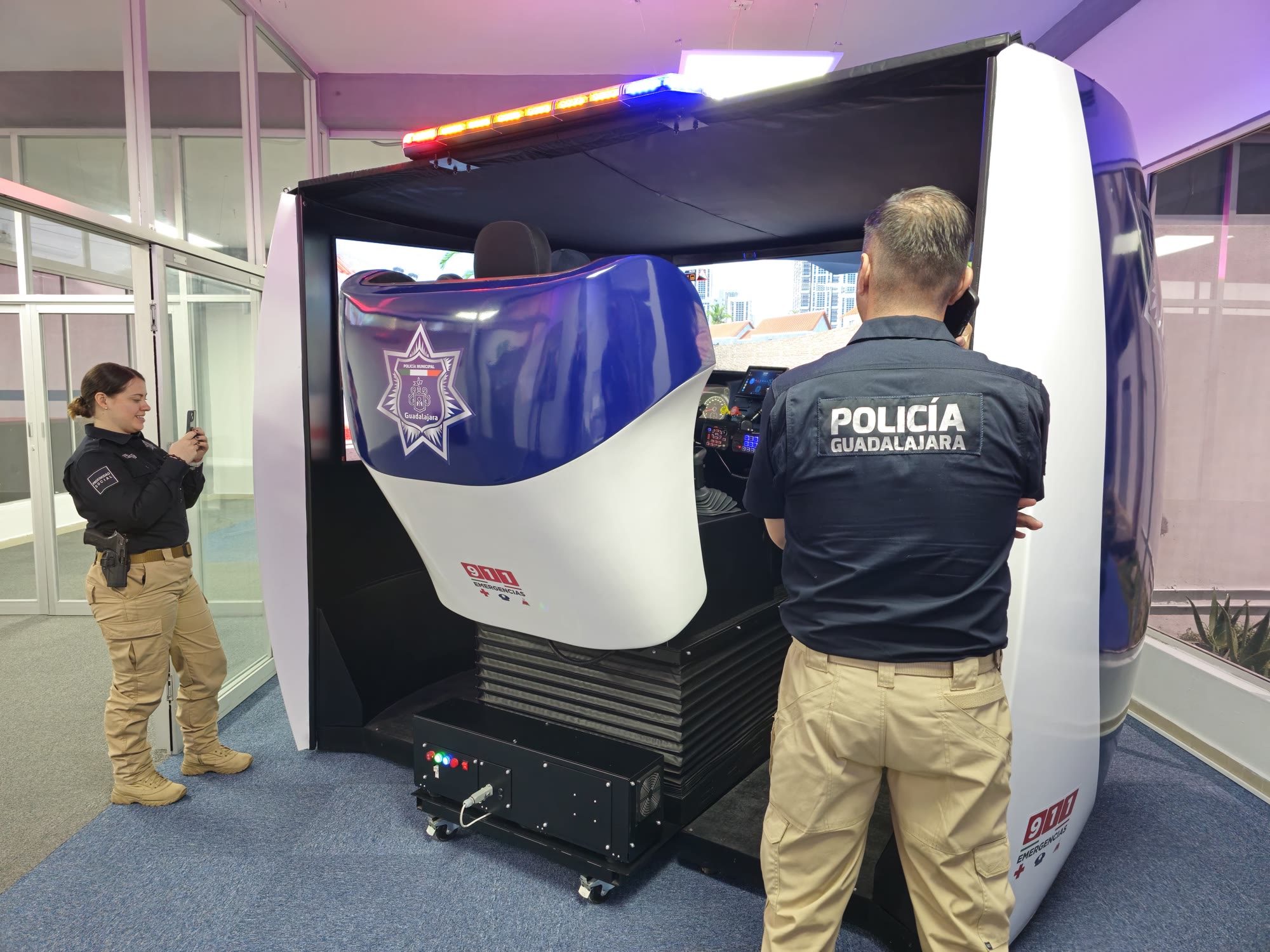
Alongside the forklift program, 600 PepsiCo primary distribution drivers train 16 hours a year on truck driving simulators: 28% fewer accidents.