Yucatán Leads with Simulation Technology: The Future of Public Transit Is Already Rolling
Transportation ·
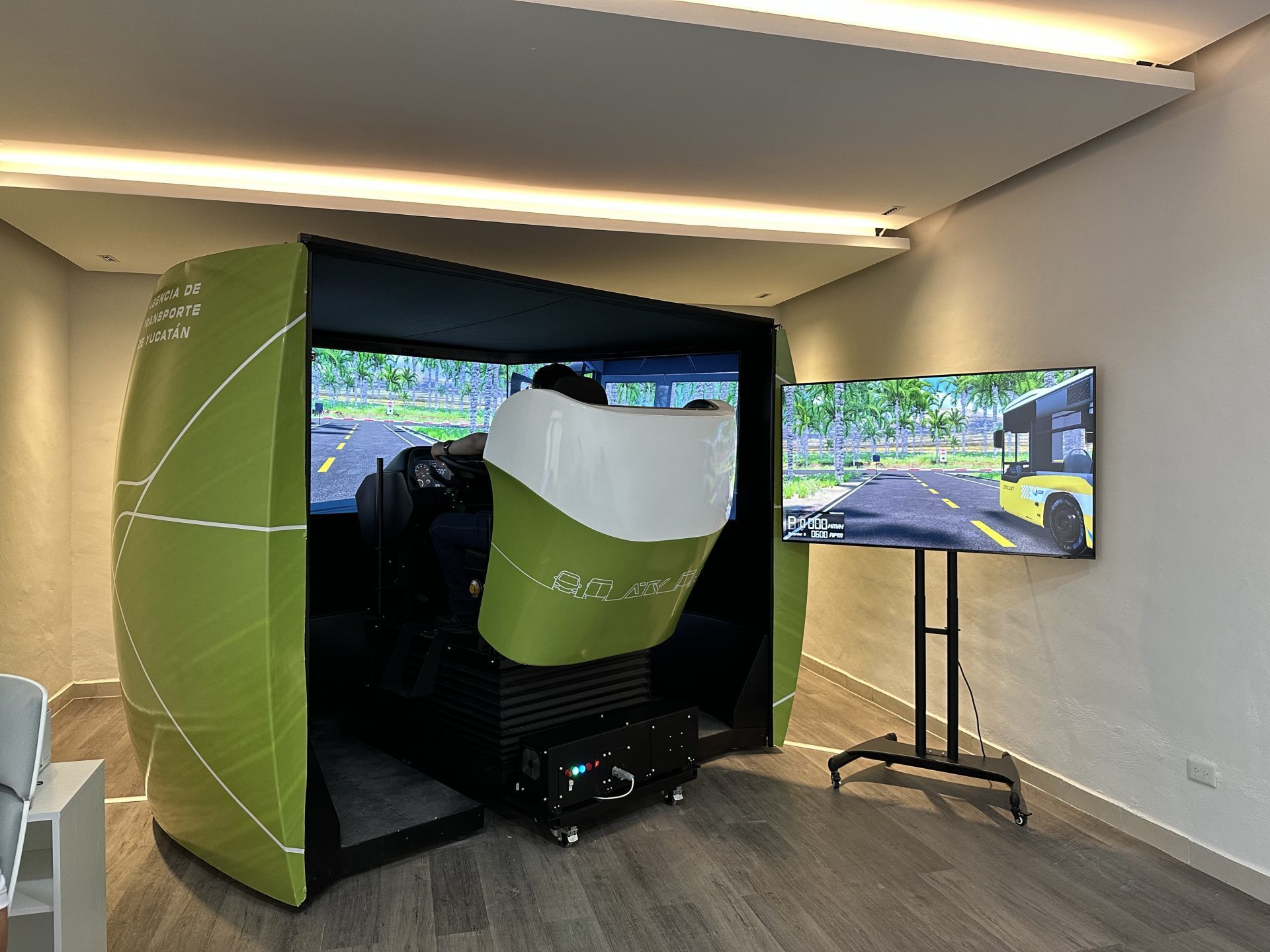
Yucatán has become a national benchmark in public transit by opening Mexico's first Institute for Public Transit Driver Training and Certification, where thousands of Va y Ven drivers train on simulators.
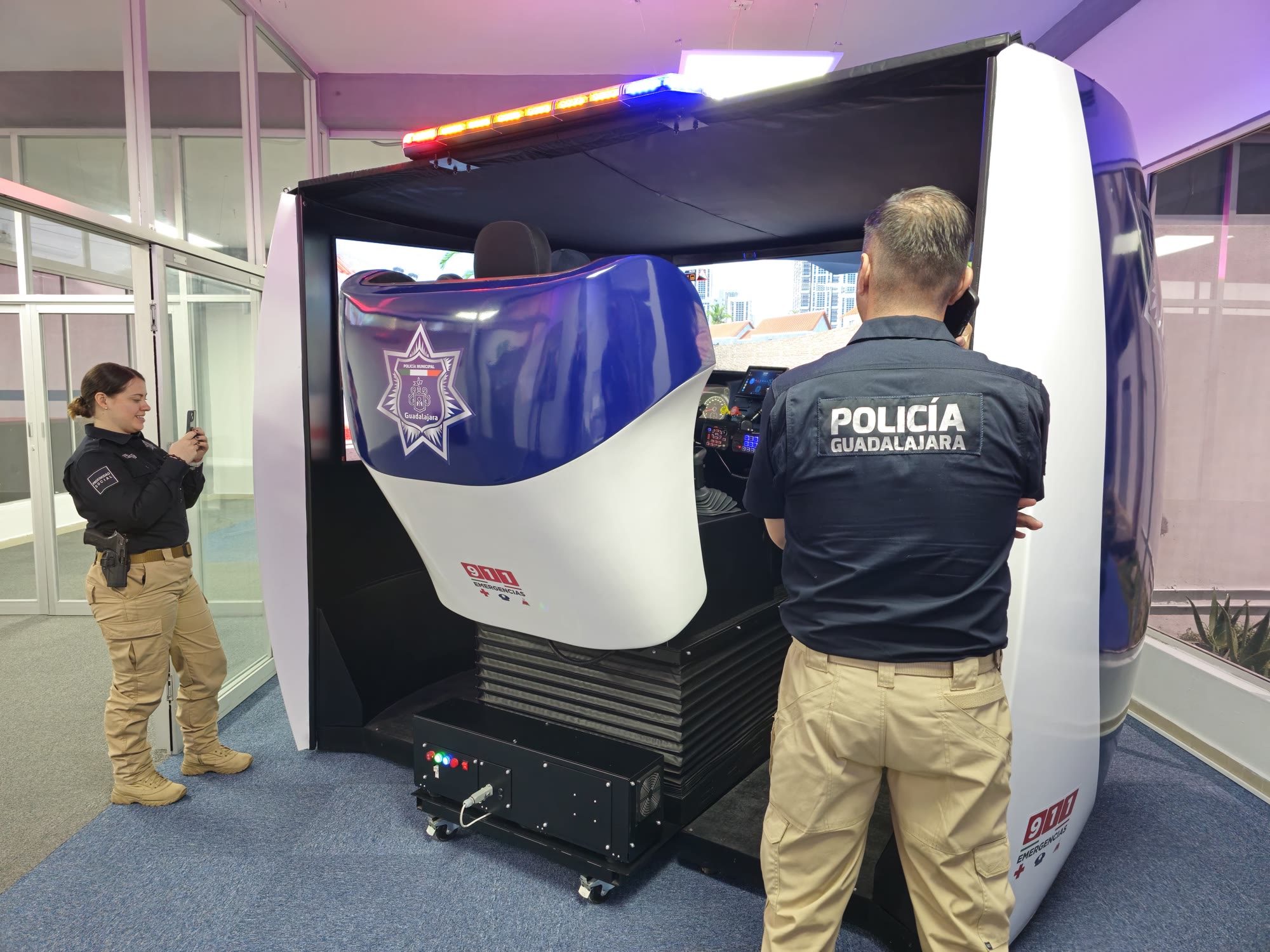
Yucatán has taken a firm step toward transforming public transit, becoming a national benchmark thanks to simulation technology for driver training. With the opening of Mexico's first Institute for Public Transit Driver Training and Certification, thousands of drivers in the "Va y Ven" system have received comprehensive, modern instruction aligned with the highest international standards.
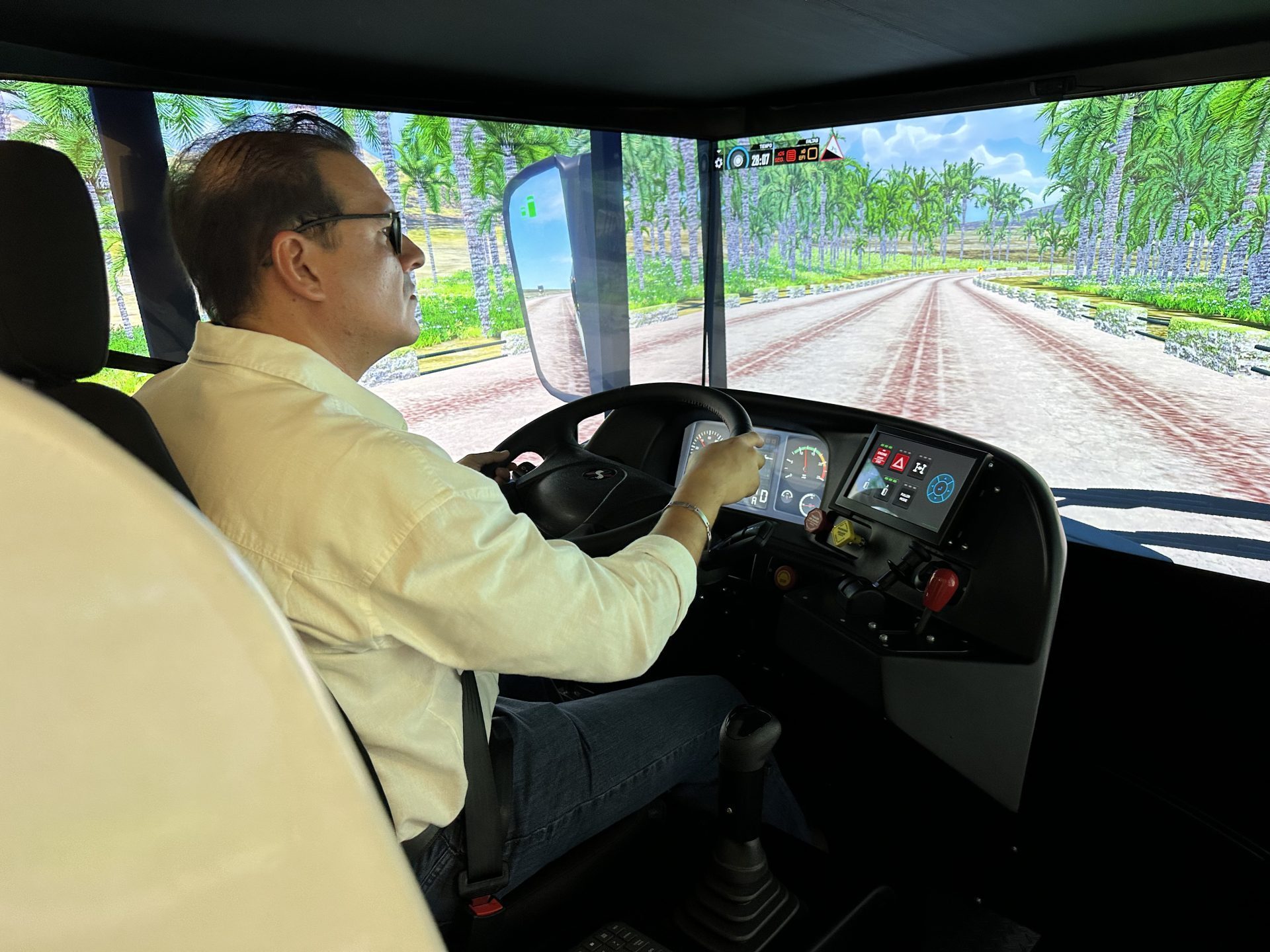
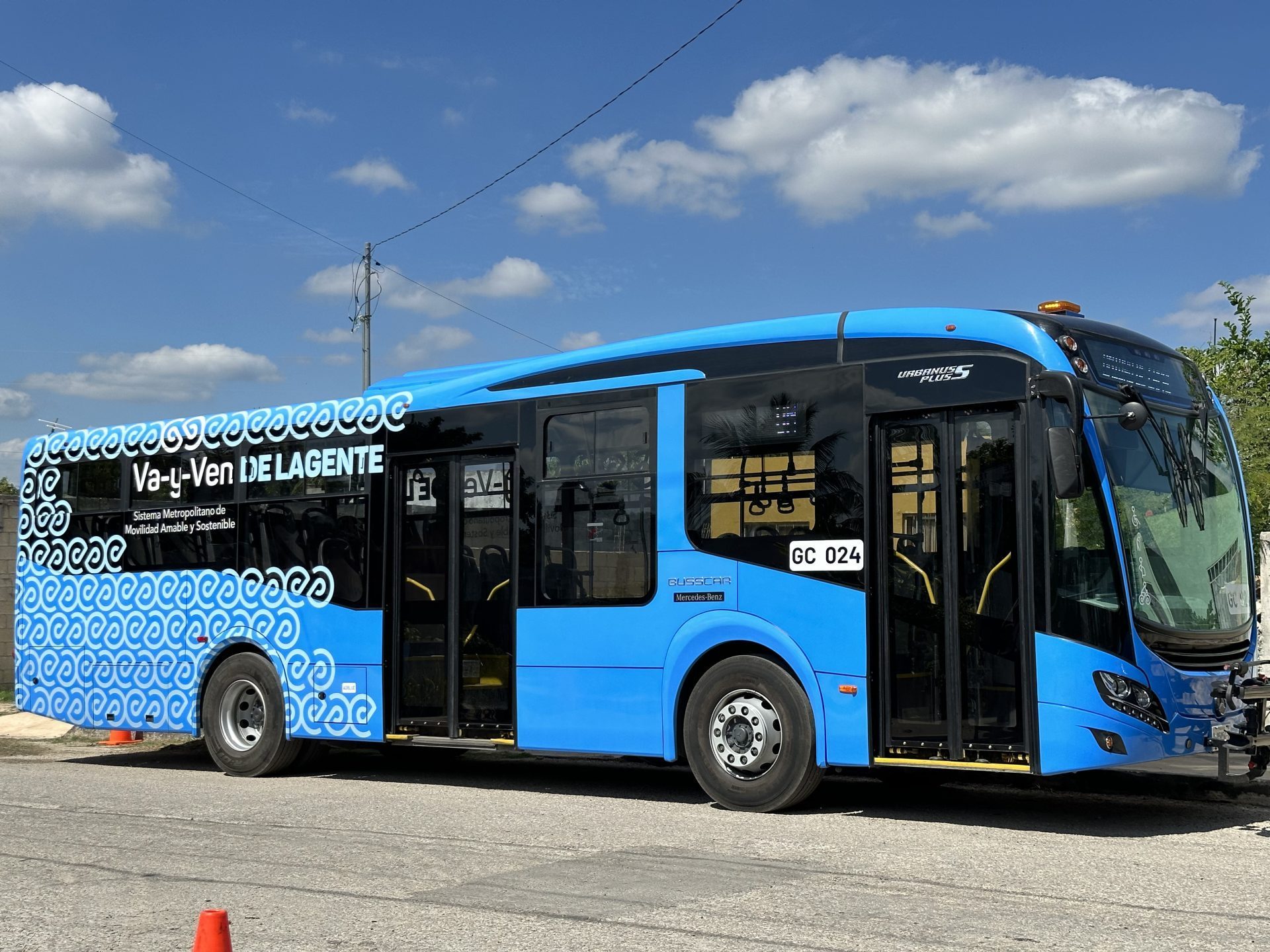
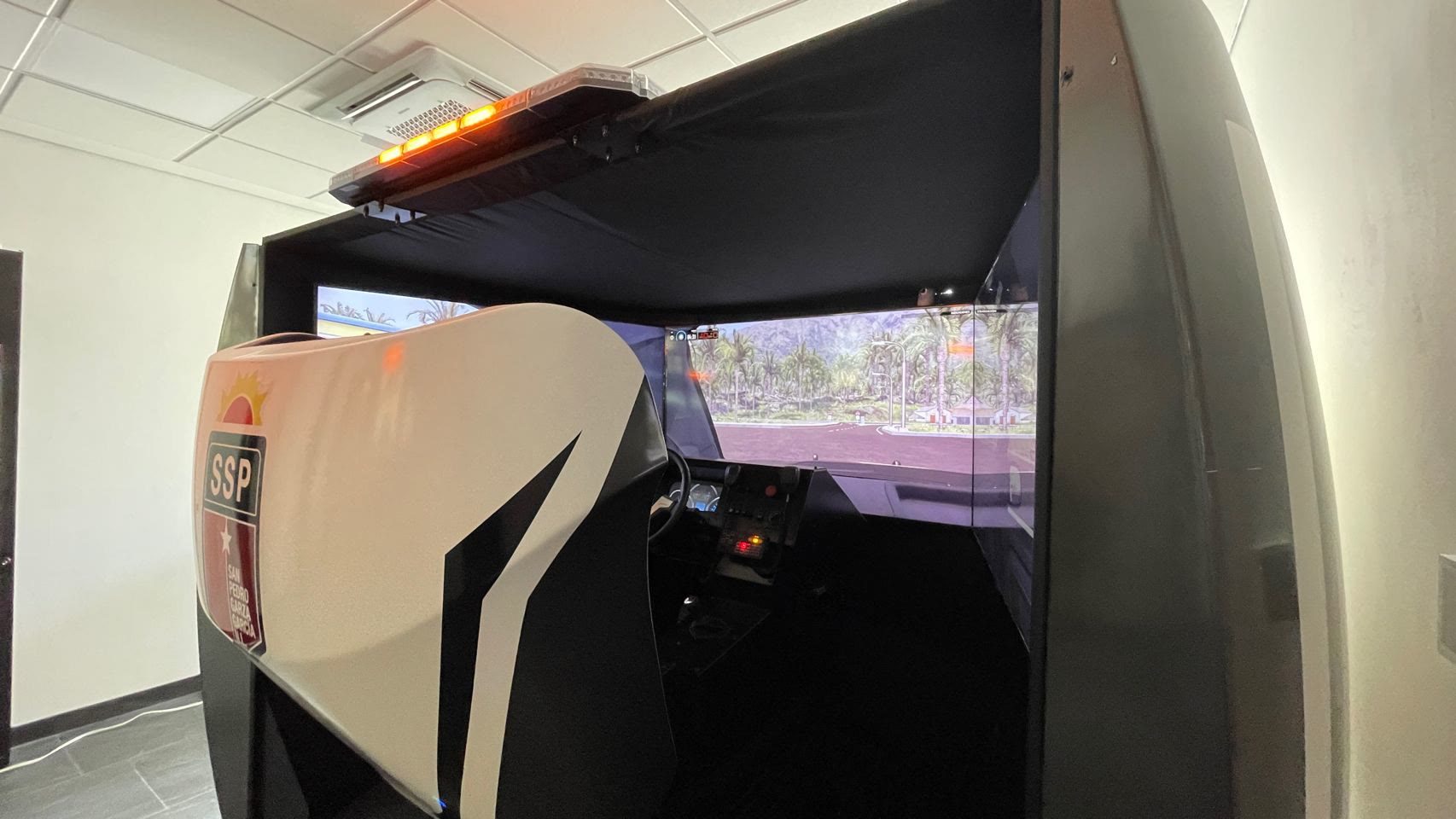
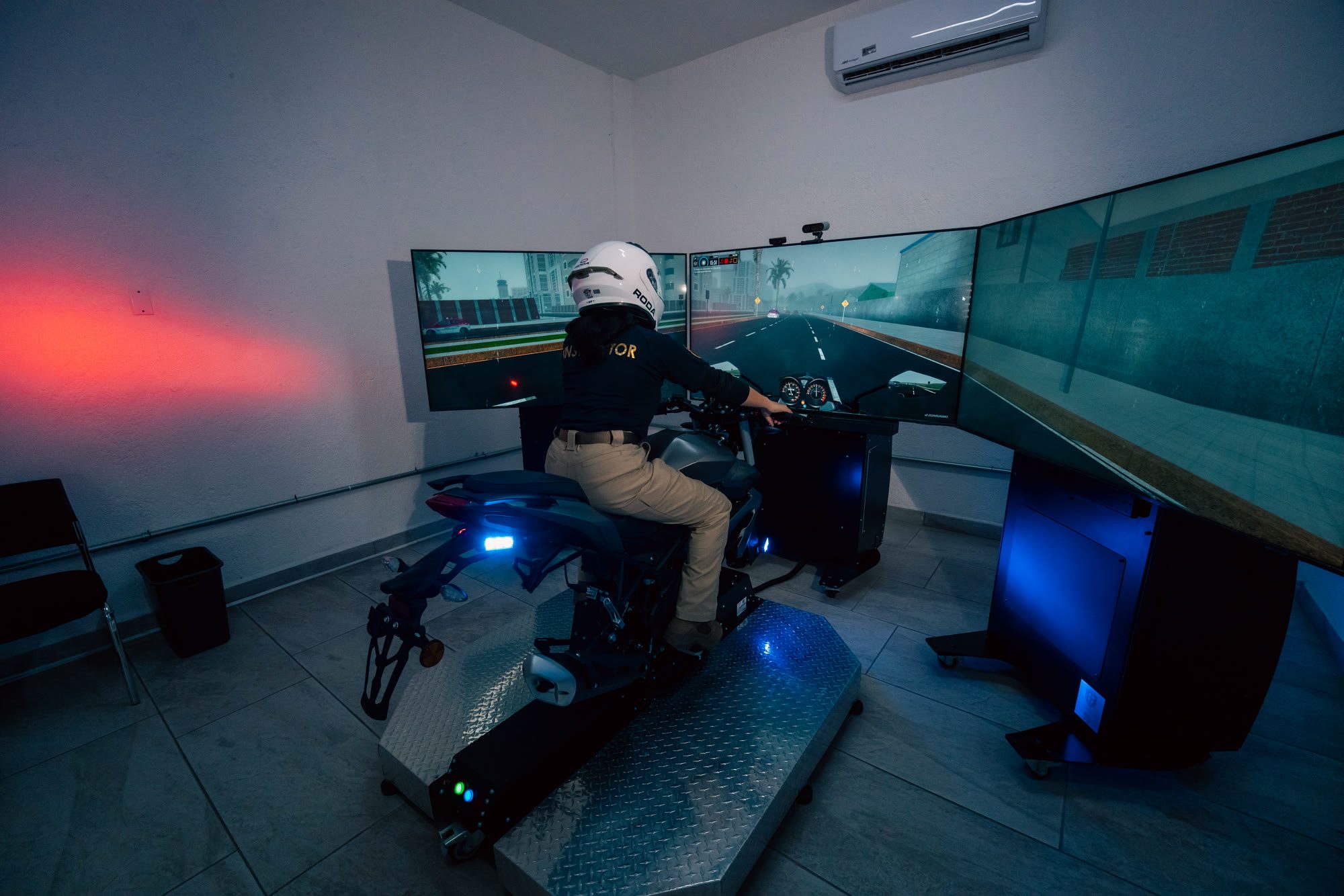
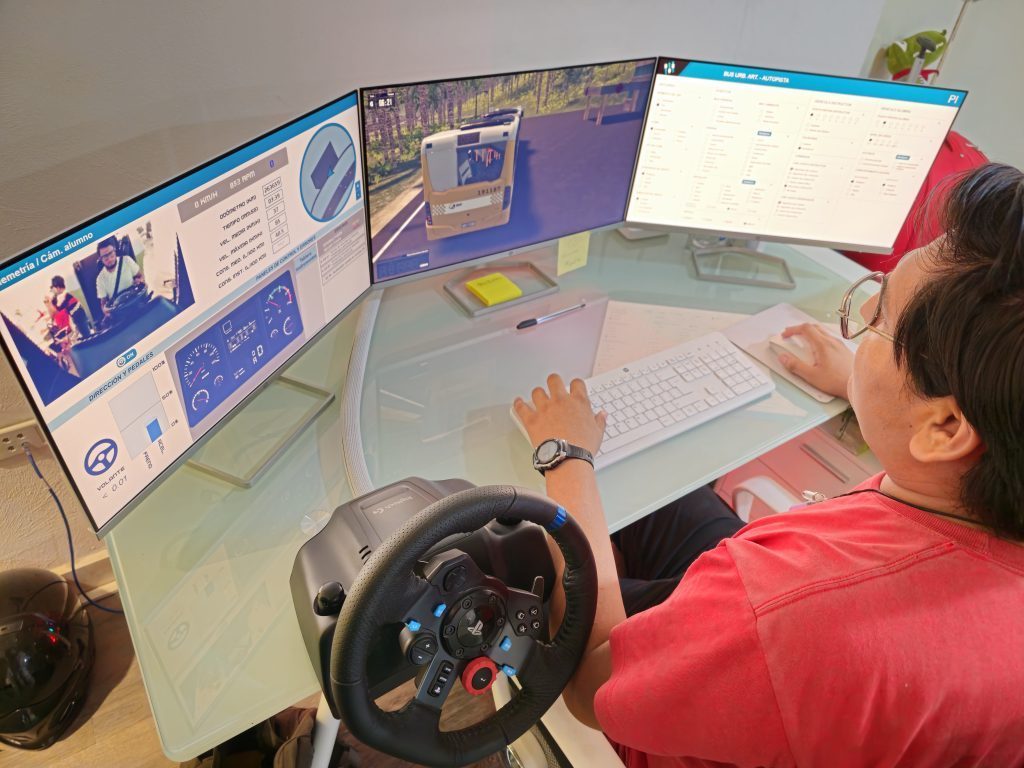
On state-of-the-art driving simulators, drivers practice in virtual environments that reproduce real urban and suburban driving conditions. From storms, careless pedestrians, cyclists, and animals crossing the road, to operating electric vehicles like the Ie-Tram, articulated buses, and King Long units, drivers face their daily challenges without risking their safety or their passengers'.
The program includes 180 hours of training, 60 of them on simulators, enabling an accelerated, safe learning curve. It also incorporates modules on serving passengers with disabilities, emotional health, customer service, and stress management — understanding that a quality driver is as much human as technical.
Before the simulator, I thought driving well just meant not crashing. But when I faced a simulated emergency with rain and heavy traffic, I understood what it means to be truly prepared. Today I drive with more awareness, more calm, and more confidence. What I learned here changed how I see my job.
 Luis MCertified driver, Va y Ven system, Yucatán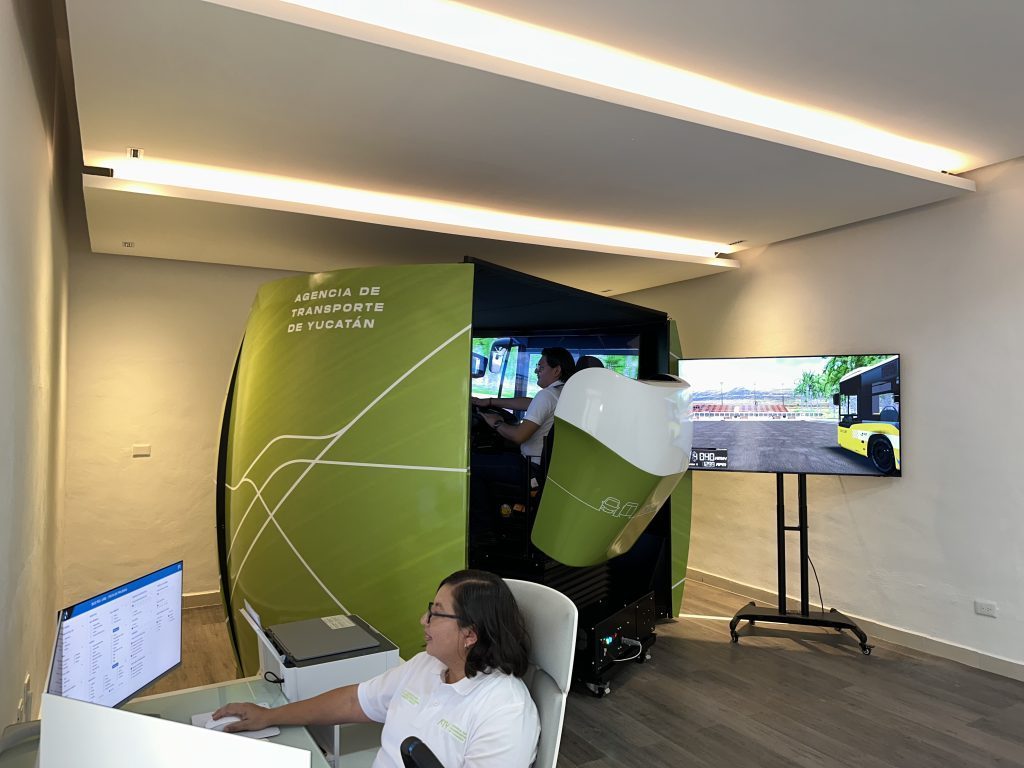
Innovation with real impact
This initiative does more than improve the passenger experience — it dignifies the work of drivers and significantly reduces risk on the streets. It represents a new vision of mobility: more human, safer, and better prepared for the future.
Technology, training, and social commitment come together to build public transit that is more efficient, reliable, and sustainable.
The future of transportation is already in motion. And it started here.