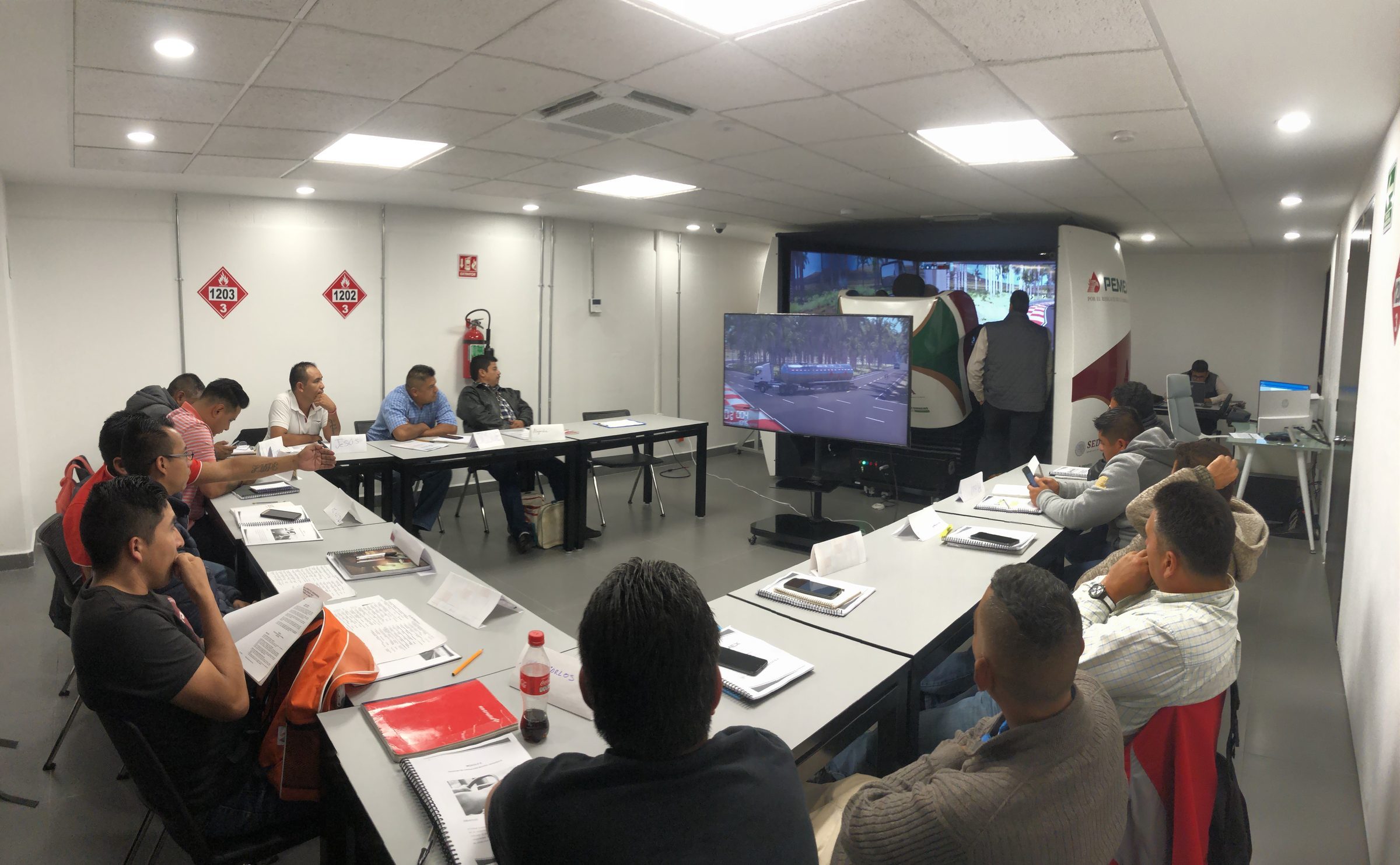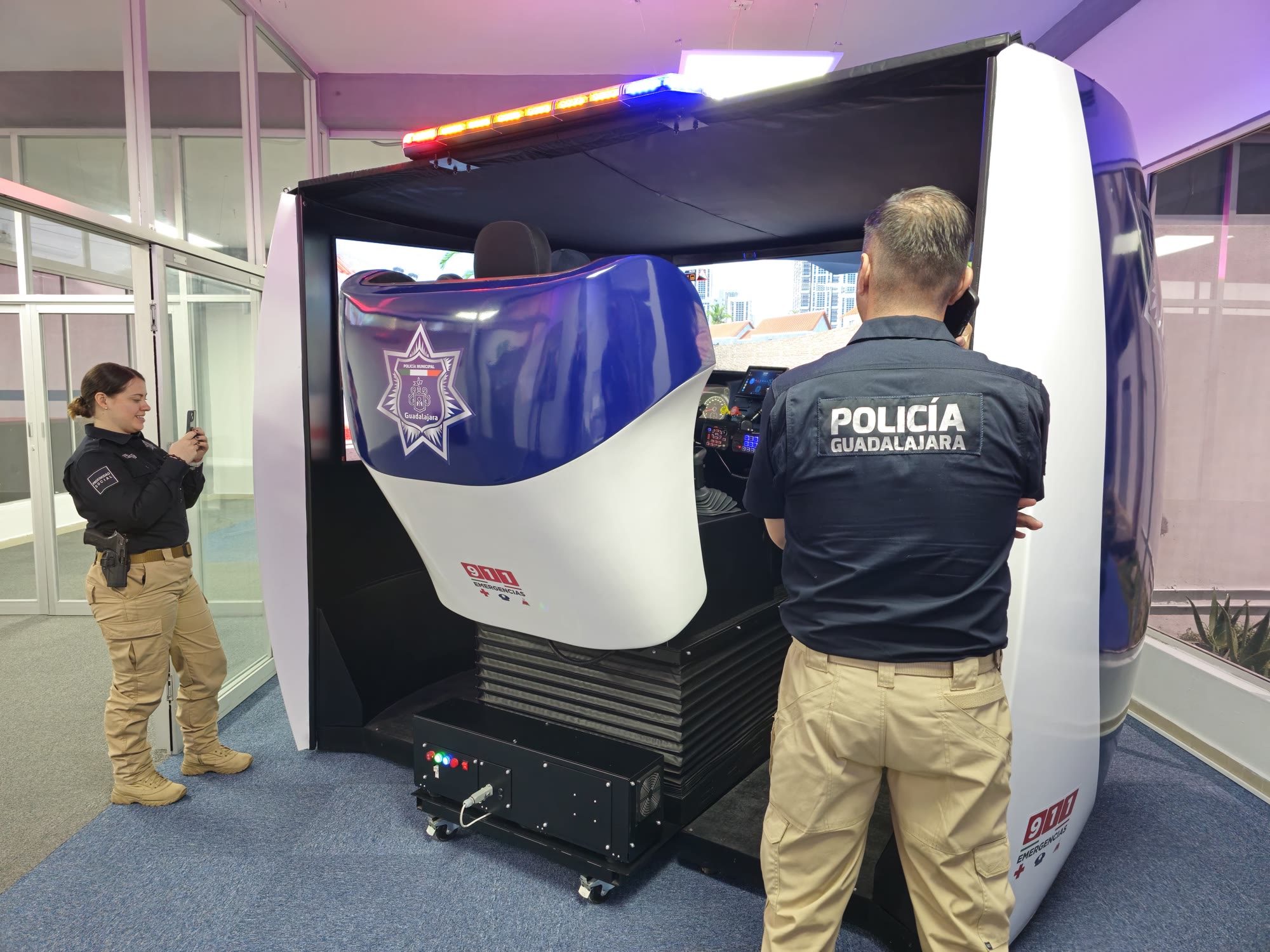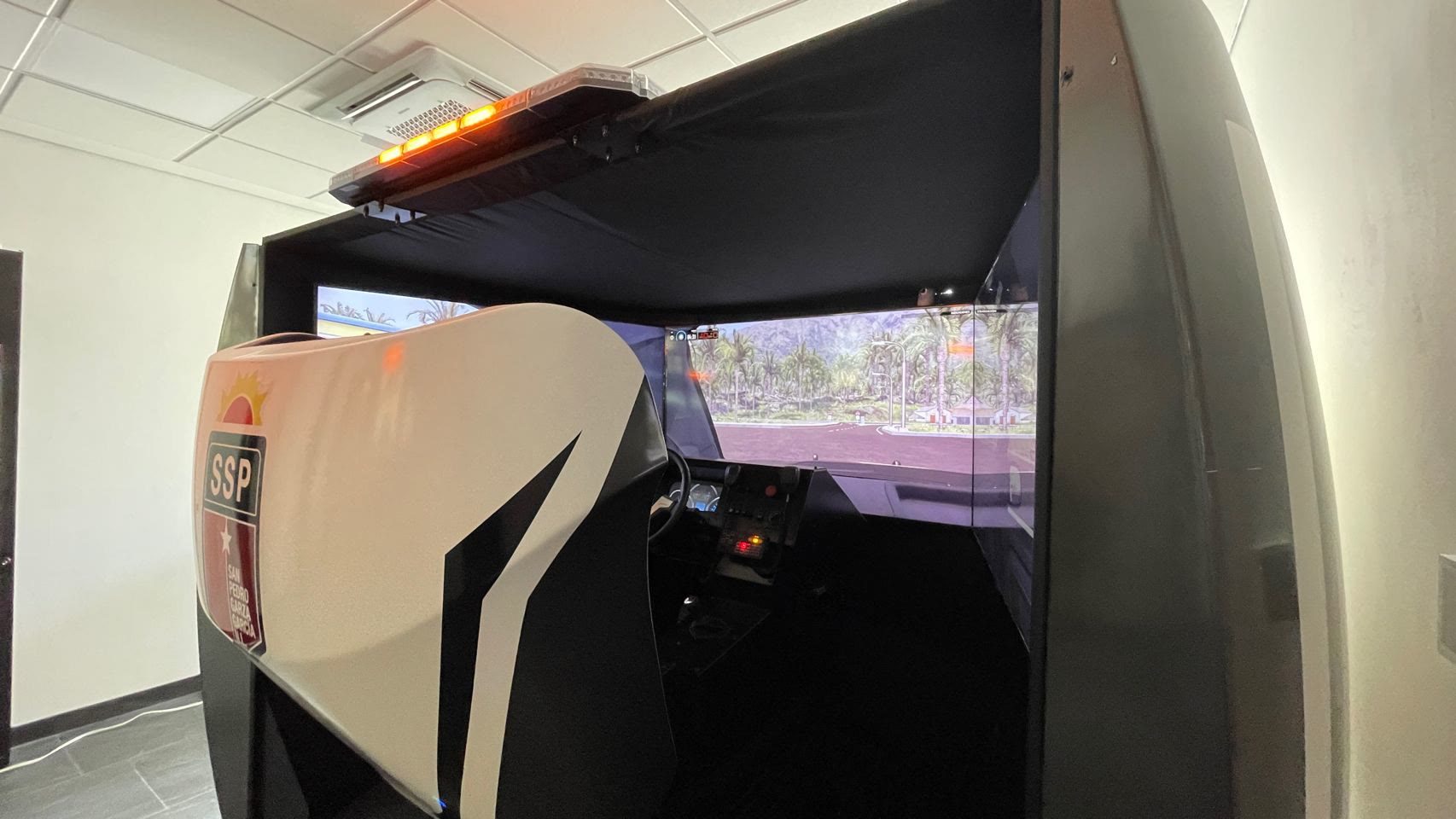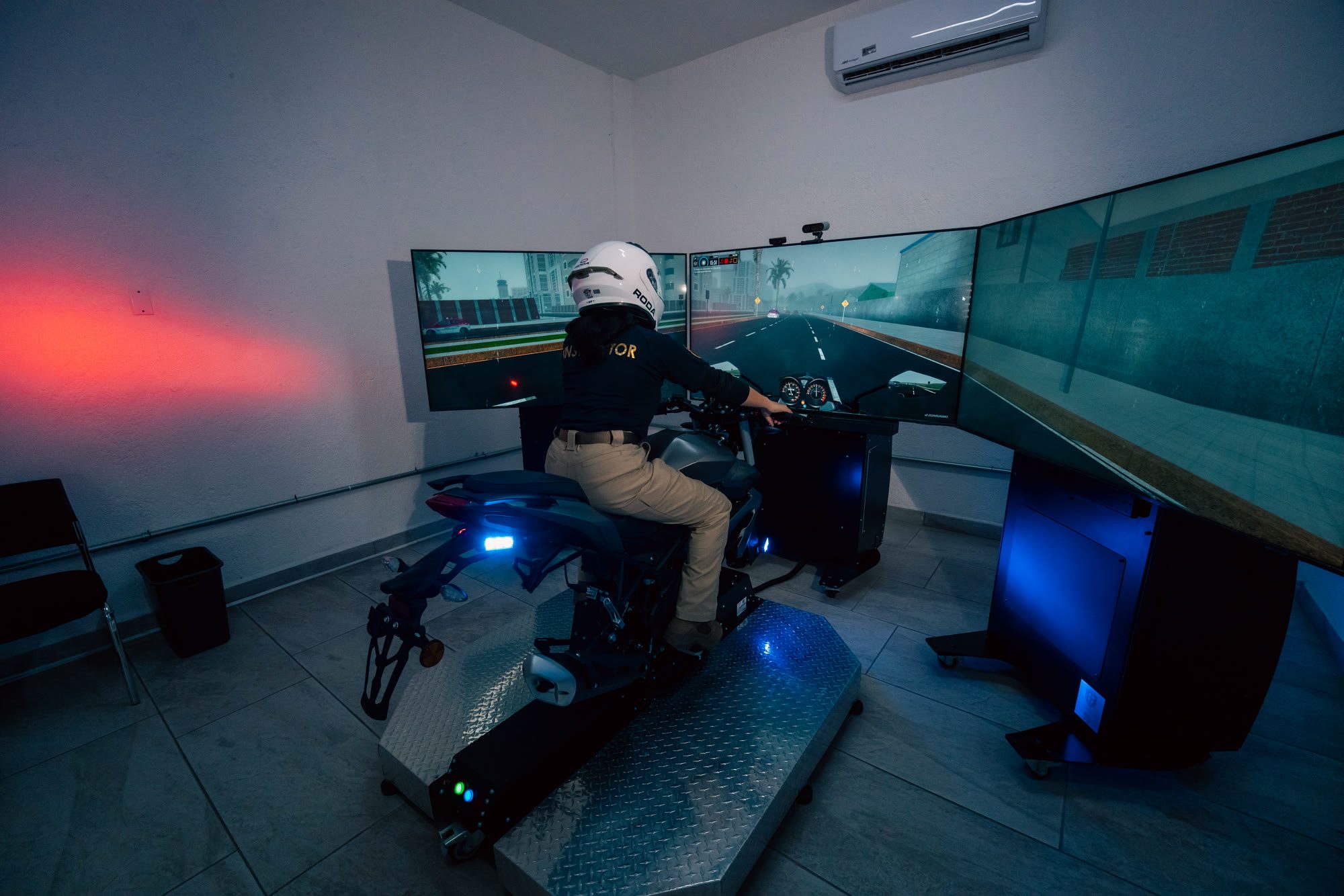
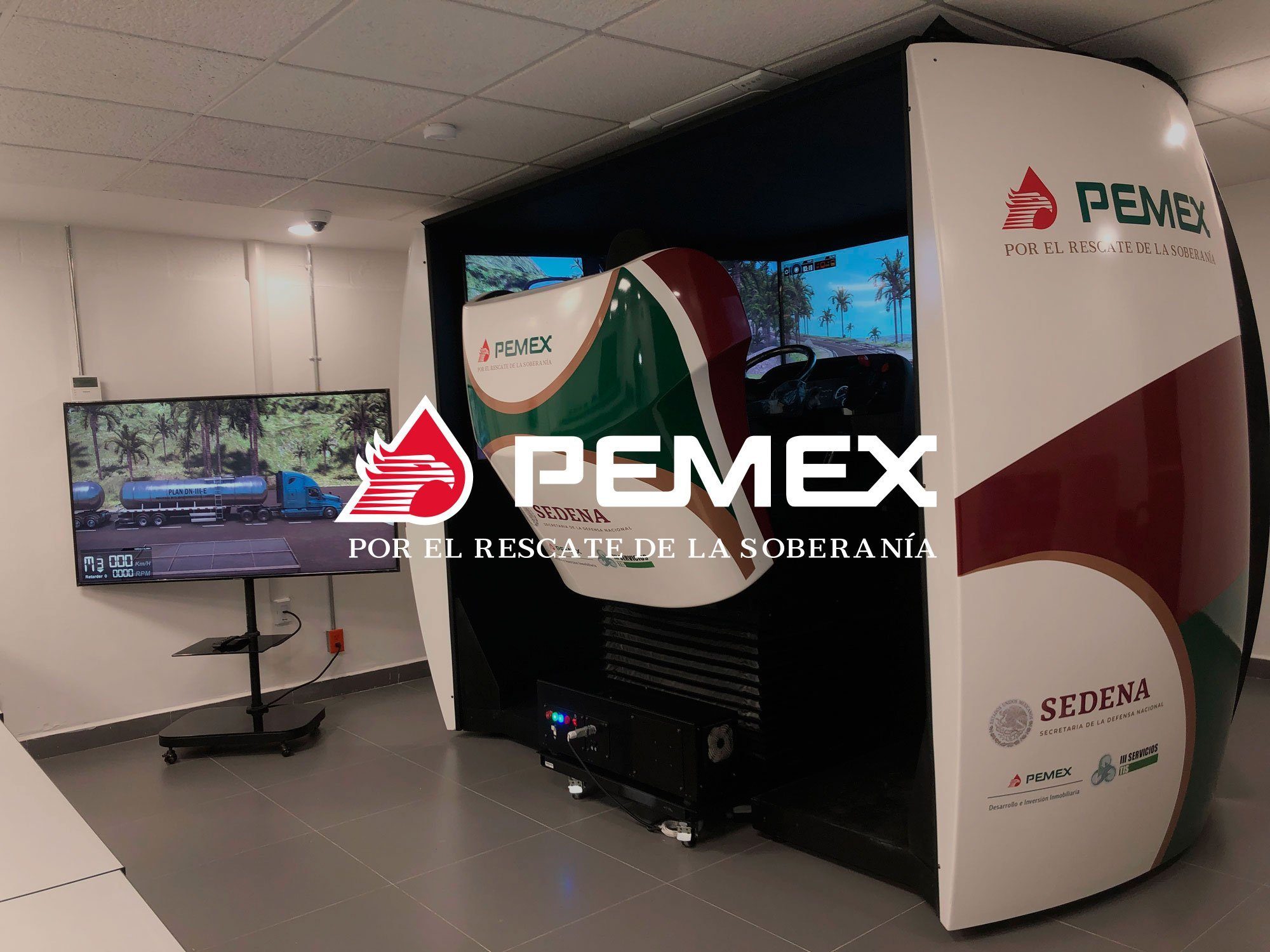
Petróleos Mexicanos (PEMEX) deployed 5 high-immersion simulators to train and certify its fuel tanker drivers: a program that began by certifying 1,600 operators and now totals 4,600.
Petróleos Mexicanos (PEMEX) deployed 5 high-immersion Simestruck Platinum simulators to train and certify the drivers of its fuel tanker trucks — a program that began by certifying 1,600 operators and now totals 4,600.
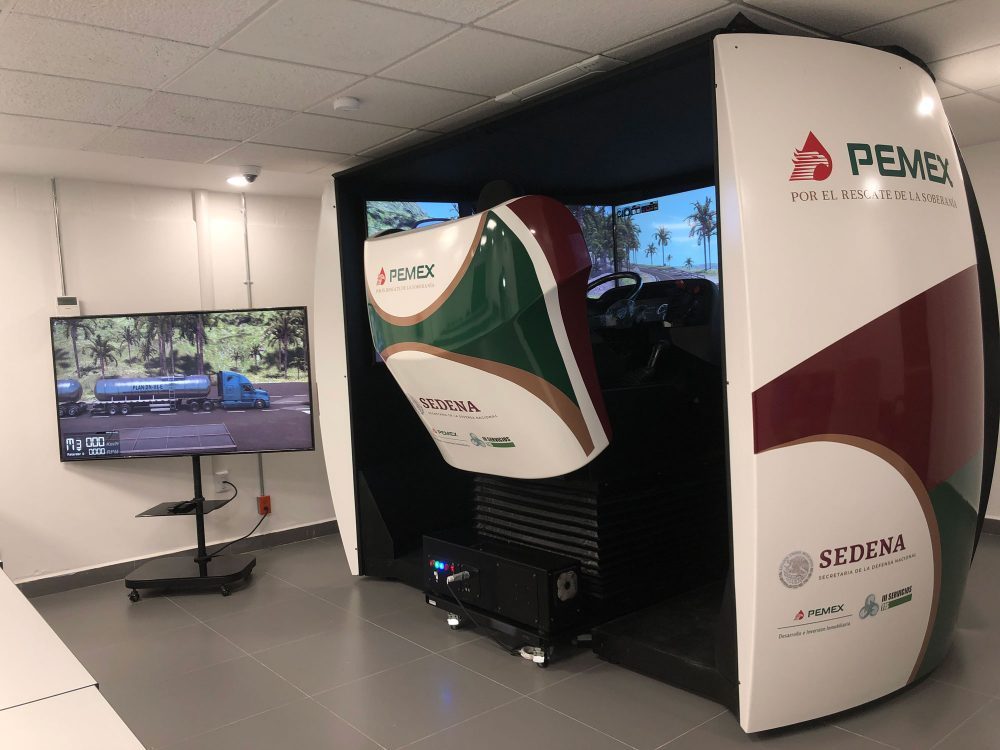
The goal: train for risk factors such as changing weather, mechanical failures, and road hazards — animals, accidents, pedestrians, and tight curves.
Training for risk without taking it
A tanker driver faces what almost no other operation does: thousands of liters of fuel at their back, federal highways, harsh weather, and maneuvers where one mistake allows no second chance. In the simulator, that mistake can be made — and repeated, and corrected — until the right reaction becomes reflex. Skids, emergency braking, mechanical failures, and night driving are practiced as many times as it takes without putting anyone at risk.
We can put a driver behind a loaded tanker, in the rain, facing an emergency stop — as many times as it takes. On the highway that would be unthinkable.
All of it within a simulation that includes custom-built real routes where accidents had been on the rise, such as Salinas Cruz – Tule.

The result: Petróleos Mexicanos drivers who are better prepared for any situation on the road.
Every session is measured
The program runs on data, not impressions: telemetry logs braking, acceleration, speed, and safety errors for every session, while biometric fingerprint sign-in guarantees every training hour belongs to the person who completed it. Instructors review the report with each driver as they step out of the cab, maneuver by maneuver.
Telemetry doesn't argue: drivers see the exact second they made the wrong call, and they show up to the next session ready to fix it.
PEMEX, one of Mexico's largest companies, is cutting its accident rate with simulators. It bet on this technology to build a system that meaningfully protects its workers — and the numbers back the decision, making Mexico's highways safer in the process.
And the program keeps growing: the 4,600 certified drivers train 40 hours a year, and accidents dropped from 7 per month to 1.6.
The PEMEX program shows what happens when a critical operation takes simulation seriously: going from 7 accidents a month to 1.6 isn't luck — it's thousands of measured training hours, driver by driver.